Hybrid controllers
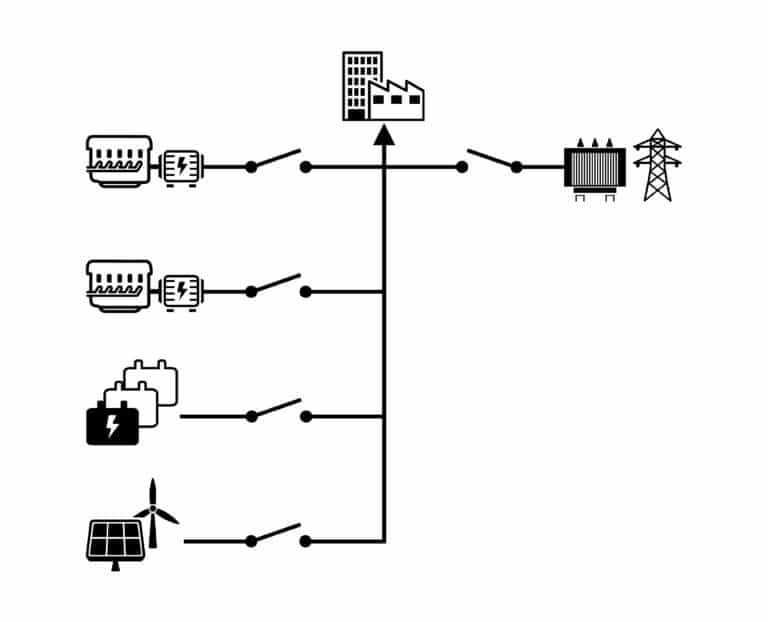
CRE Technology’s hybrid controller range is designed to operate hybrid power plants where multiple energy sources must work together safely and efficiently—gensets, the grid, renewable generation such as solar power and wind, and battery energy storage (BESS). Each controller is an industrial product designed for reliable energy delivery, with direct integration into typical switchboard panels.
Rather than relying on a single “all-in-one” device, CRE’s approach is modular: hybrid plants are built by combining dedicated controllers and interconnecting them through a high-speed CAN communication bus. This architecture makes it easier to scale from simple configurations to complex microgrids, while keeping commissioning predictable and maintenance straightforward for business-critical sites.
In practice, the CRE hybrid controller range provides the “intelligent” coordination layer that turns multiple energy sources into one coherent, reliable power system. Plant operators can display key operating values (power, frequency, voltage, alarms) on local HMI interfaces, and integrate the system into a supervisory user account (SCADA) for monitoring, reporting, and event review.
Our products
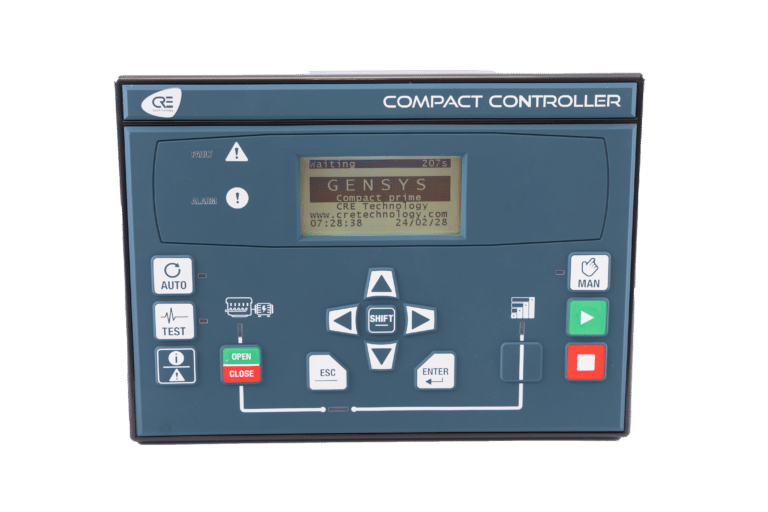
GENSYS COMPACT PRIME
The GENSYS COMPACT PRIME is designed for advanced management of multiple generators in power plants, while offering interoperability with other types of energy sources for more complex systems.
Add to quote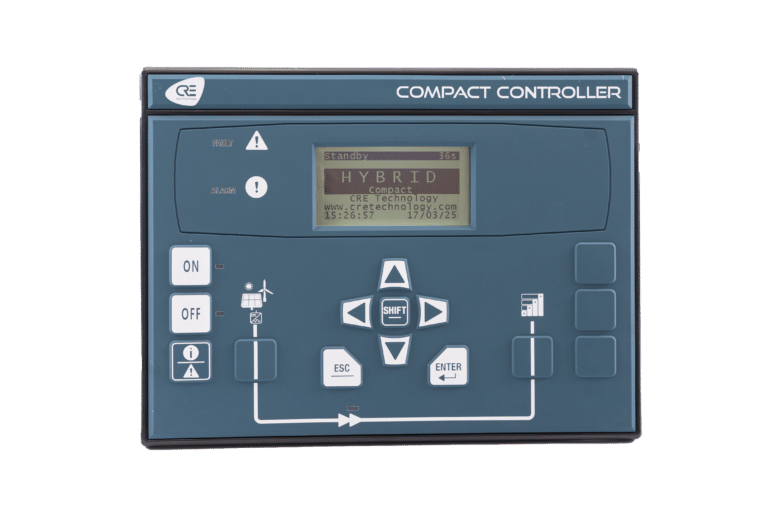
HYBRID COMPACT
The HYBRID COMPACT is designed to efficiently manage photovoltaic or wind inverters, while ensuring optimum integration with other energy sources and management systems.
Add to quote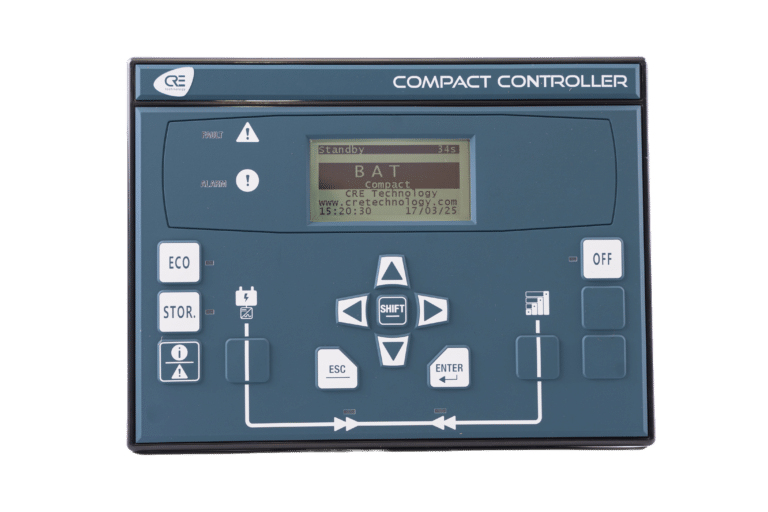
BAT COMPACT
The BAT COMPACT is designed to manage battery inverters efficiently, ensuring optimum use of available energy resources while integrating into multi-source systems.
Add to quote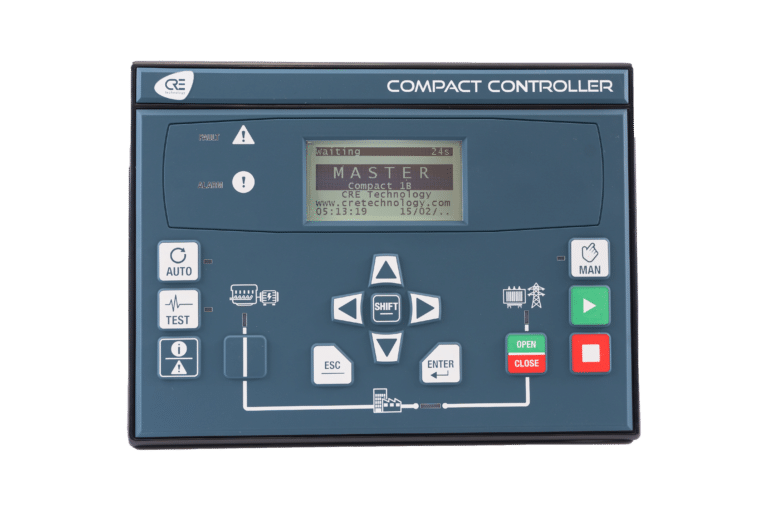
MASTER COMPACT 1B
The MASTER COMPACT 1B is designed to manage a mains incomer with a single circuit breaker. It allows advanced interoperability with various energy sources, such as generators, inverters or other mains incomers.
Add to quoteWhy install hybrid controllers in your power plants?
Traditionally, most sites relied on the grid for normal operation and gensets for backup power delivery. That model is robust, but it is not optimized for today’s energy and sustainability objectives.
Modern facilities increasingly combine generators, solar panels, wind/water turbines, and battery bank / energy storage (including lithium technologies, depending on the BESS design) to create a hybrid system that can adapt in real time to load changes, energy availability, and grid events. This hybrid approach can deliver clear benefits:
- Lower operating cost: reduce fuel consumption by limiting generator runtime, and optimize grid import during expensive time windows.
- Lower carbon emissions: maximize renewable energy usage and use storage to smooth intermittency instead of burning fuel.
- Improved performance and power quality: stabilize the plant during fast load steps and renewable fluctuations.
- Higher resilience: keep critical loads supplied during grid outages, with auto transitions and coordinated source control.
- Smarter, data-driven operation: decisions are based on real measurements (power, frequency, voltage) and configurable control strategies.
However, these gains only materialize if the different assets behave as a single system. A hybrid controller architecture is what enables that coordination: it manages load, inverter setpoints, breaker states, and charge / charging behavior through automatic control methods and consistent power management logic—so the plant remains stable, safe, and efficient in both grid-connected and off-grid modes.
CRE × Victron: hybrid power made practical for genset + BESS architectures
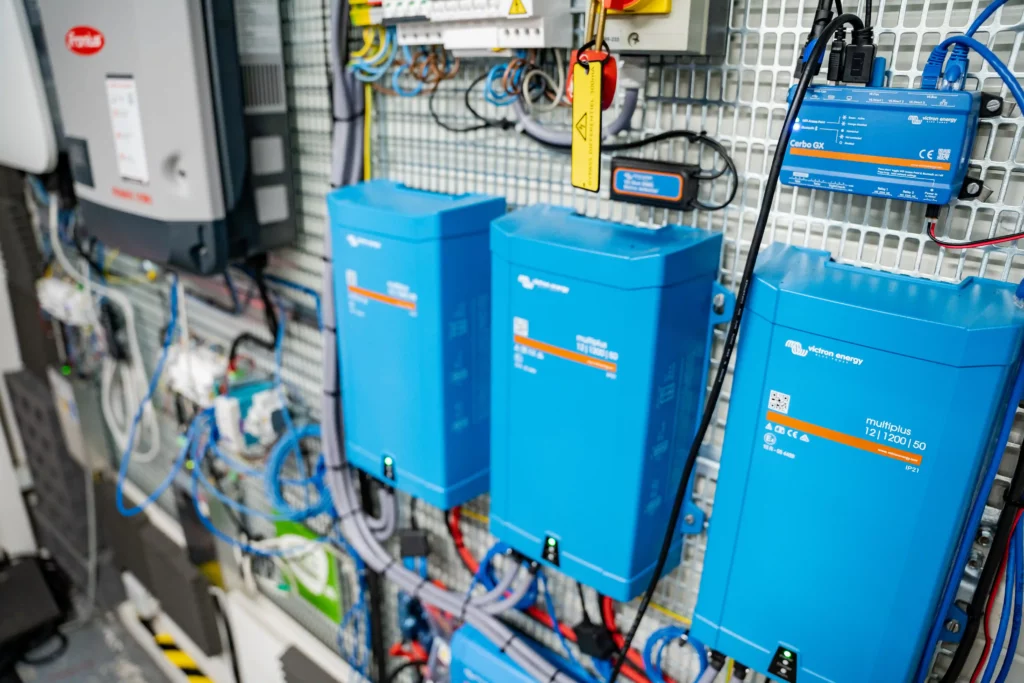
Many hybrid plants combine generators with battery storage to reduce fuel consumption and improve response to load steps. The CRE × Victron partnership focuses on practical interoperability between CRE controllers and Victron inverters/products, enabling coordinated strategies for charging, reserve management, and smooth transitions—especially in sites where availability and operating cost both matter. For integrators, this creates a coherent product line approach that saves engineering time during integration.
A scalable hybrid controller strategy, backed by project support
If you’re designing or upgrading a hybrid power plant, the biggest risk is not the hardware—it’s the control strategy and the integration details (breakers, measurements, inverter control, protections, communications). CRE Technology’s modular hybrid controller range is designed to scale, connect, and operate reliably across solar, wind, battery storage and grid/genset architectures.
Beyond the product, CRE teams can support design prior to final commissioning: architecture definition, configuration guide, commissioning plan, and ongoing support—so your hybrid project delivers measurable cost savings and improved performance from day one. When required by project governance, CRE can also provide documentation aligned with customer privacy and agreement constraints (e.g., what data is shared for remote support), and share integration materials (quick guides, wiring notes, and training content such as a short commissioning video) to boost deployment quality.
Related applications
-
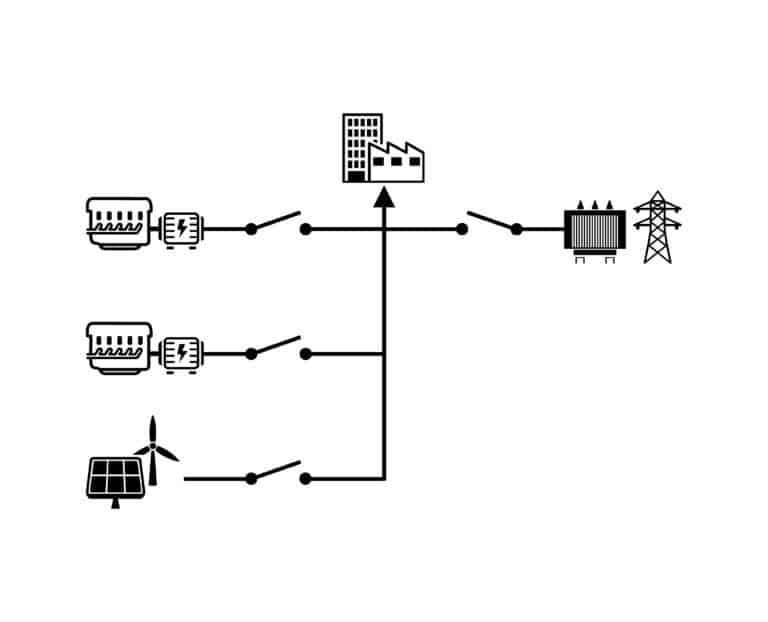
On grid hybrid application (generator, renewable, grid)
In this application, one or more generators are combined with a photovoltaic system, while being connected to a main power grid. This hybrid system uses solar energy to generate electricity, with additional support provided by the generators or the grid as required, to maximize energy efficiency and guarantee a continuous power supply. This configuration offers a reliable and environmentally-friendly energy solution, suitable for a wide range of installations. It optimizes energy costs and contributes to a reduction in carbon emissions, while ensuring a seamless transition between different energy sources according to needs and available conditions.
Discover -
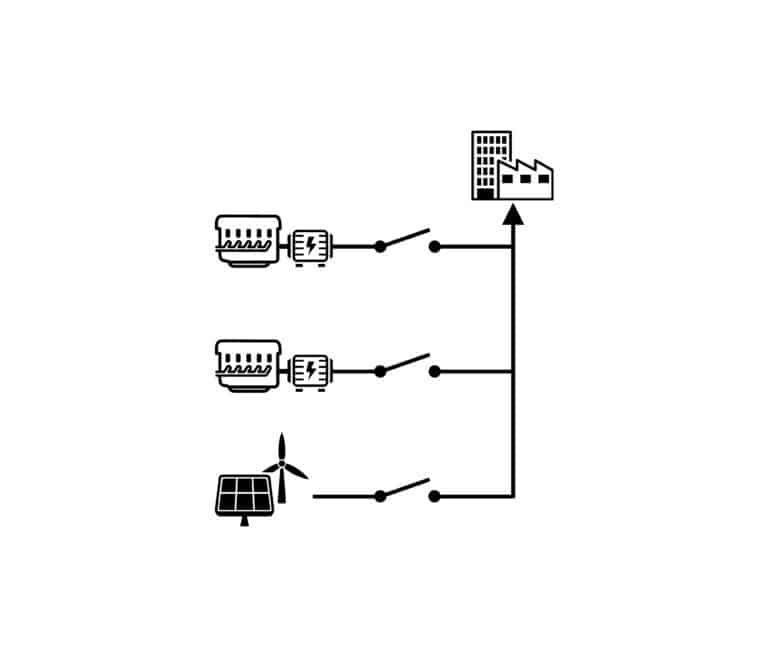
Off grid hybrid application (generator, renewable energy)
In this application, one or more generators are combined with a photovoltaic system in island mode. This hybrid system uses solar energy to generate electricity, complemented by generators to ensure a continuous power supply. In island mode, the system operates independently of the main electrical grid. The solar energy collected is used first, while the generators provide additional backup when needed. This configuration offers a resilient and ecological energy solution, particularly suited to isolated sites.
Discover -
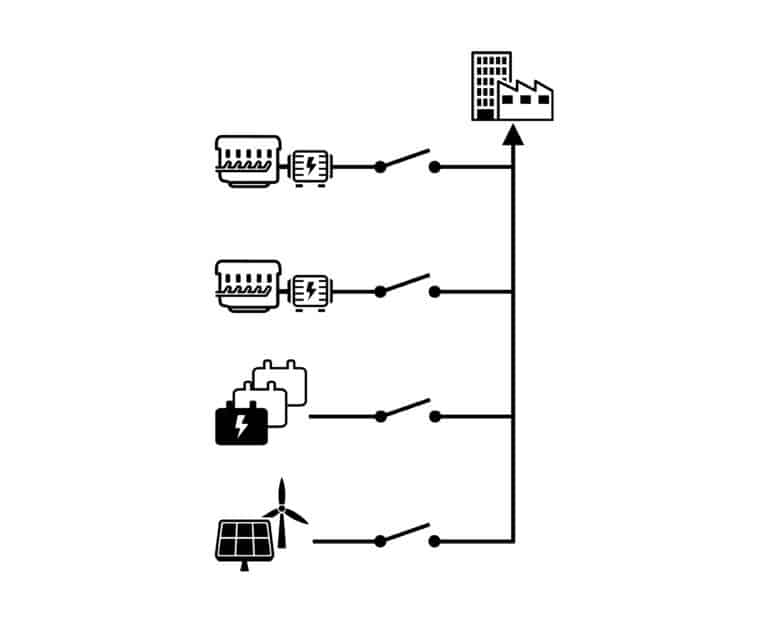
Off grid complex hybrid power plant (generator, BESS, renewable)
In this application, one or more generators are combined with a photovoltaic system and battery storage in island mode. This hybrid system uses solar energy to generate electricity, supplemented by generators and batteries to ensure continuous power supply.<br>In island mode, the system operates autonomously, independently of the main electrical grid. Collected solar energy is used first, while generators provide additional support when needed. Storage batteries conserve excess energy for later use, ensuring a more stable and reliable power supply.<br>This configuration offers a resilient and flexible energy solution, particularly suited to isolated sites or installations where power reliability is crucial. It maximizes the use of renewable energies while ensuring continuity of service, even in case of adverse weather conditions or high energy demand.
Discover -
On grid complex hybrid power plant (generator, BESS, renewable, grid)
In this application, one or more generators are combined with a photovoltaic system and battery storage, all connected to a main power grid. This hybrid system uses solar energy to generate electricity, with additional support provided by generators, batteries or mains as required. The association with the main power grid maximizes energy efficiency and ensures a continuous power supply. Captured solar energy is used first, and when solar production is insufficient, an smart management system determines the most appropriate source to compensate for the deficit, whether batteries, generators or the main grid. This configuration offers a flexible and reliable energy solution, suitable for a variety of installations. It reduces dependence on traditional energy sources, optimizes energy costs and contributes to a reduction in carbon emissions, while ensuring a smooth transition between different energy sources according to needs and available conditions.
Discover
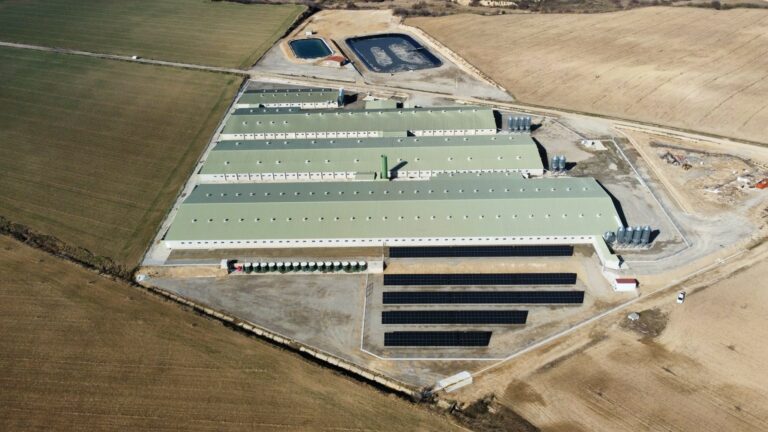
Discover our achievements

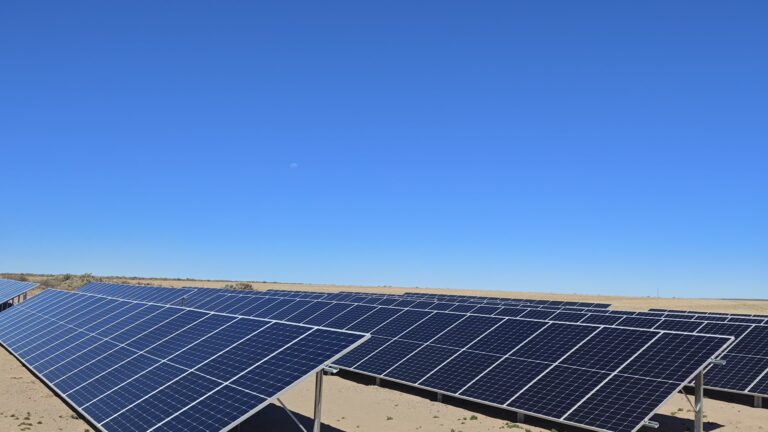
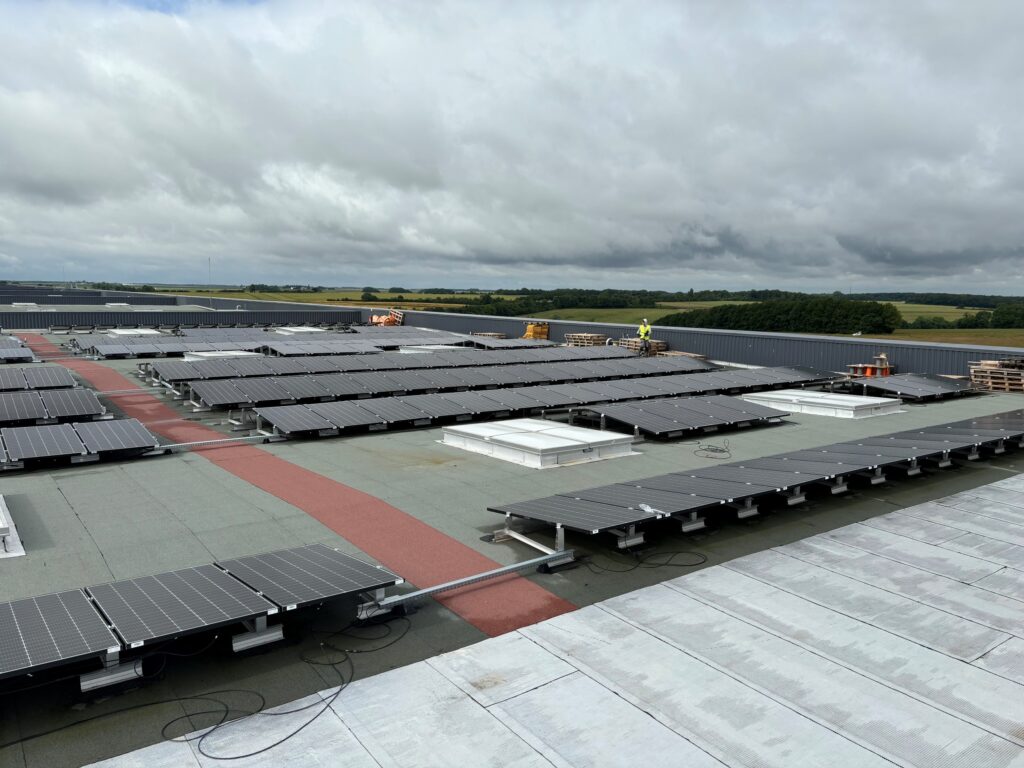
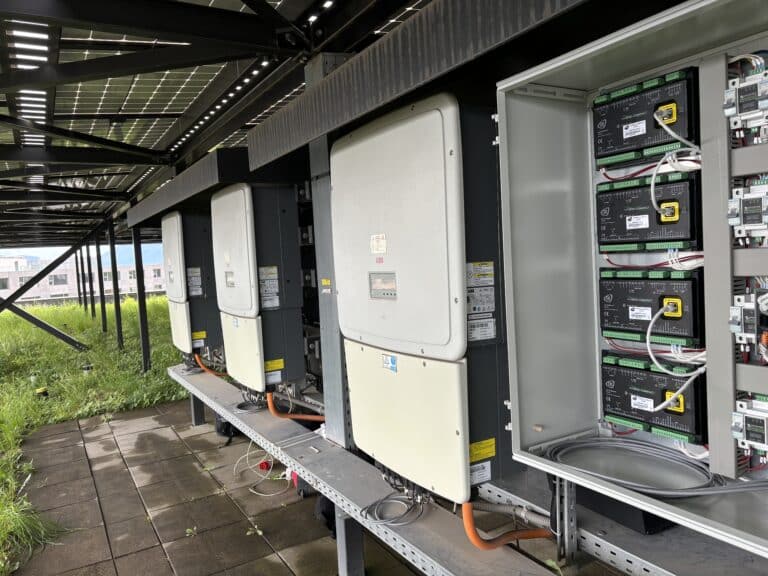
Our complementary blog articles
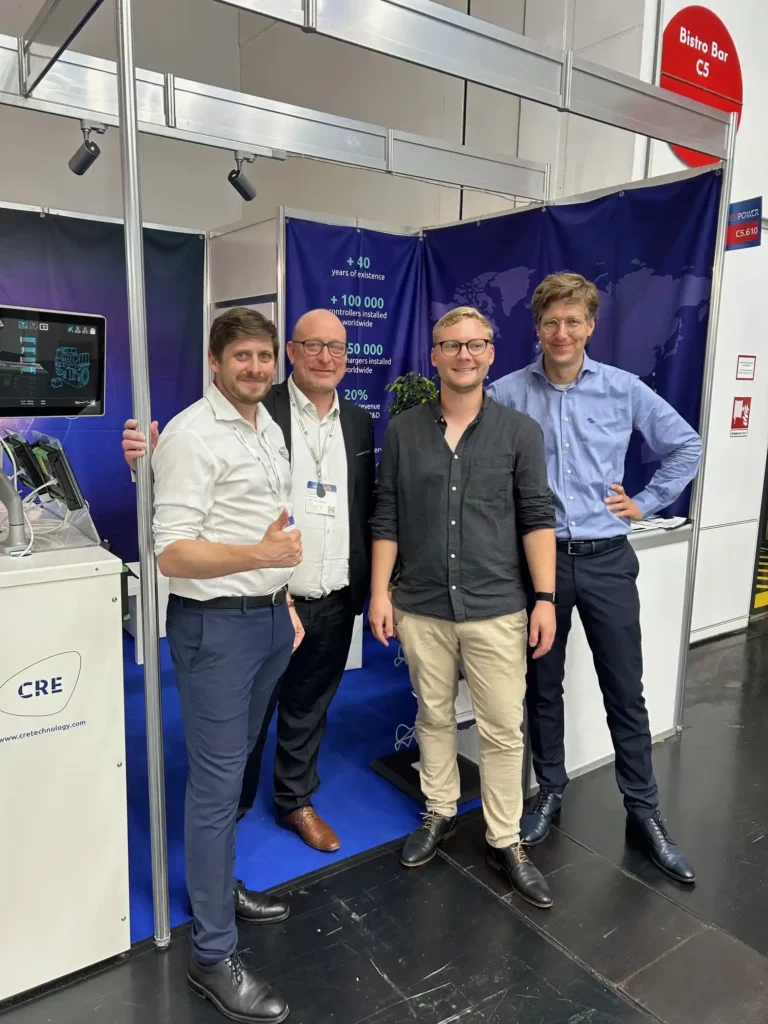
CRE x Victron for your most demanding energy needs
CRE Technology and Victron Energy combine their expertise to offer you solutions that are perfectly suited to off-grid installations or backup applications.
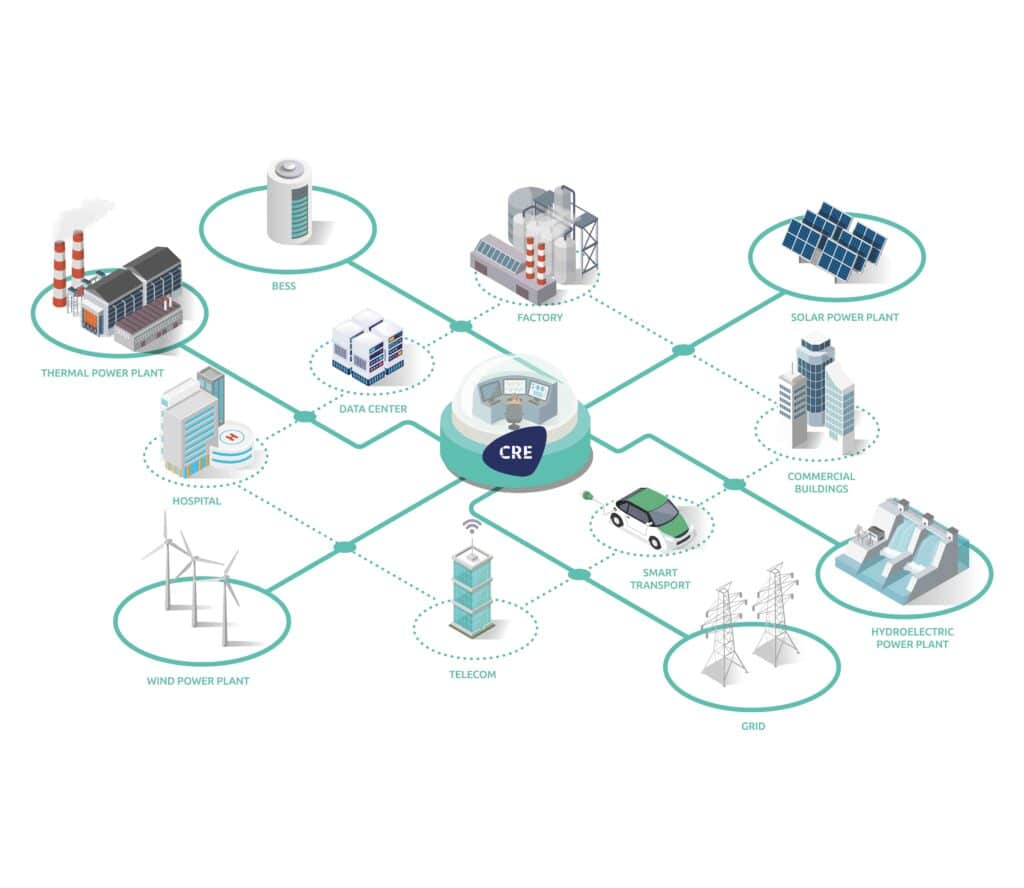
How Microgrid Controllers Drive Smarter Energy Management
Learn how microgrid controllers enhance energy optimization, reduce costs, and ensure reliable power supply.