Hybrid power plant for an agricultural pumping system in Tunuyán, Mendoza, Argentina
Intervention type
Pre-study, audit, study, commissioningDate of completion
Location
Tunuyán, Mendoza, ArgentinaCustomer context and challenges
1. Installation context
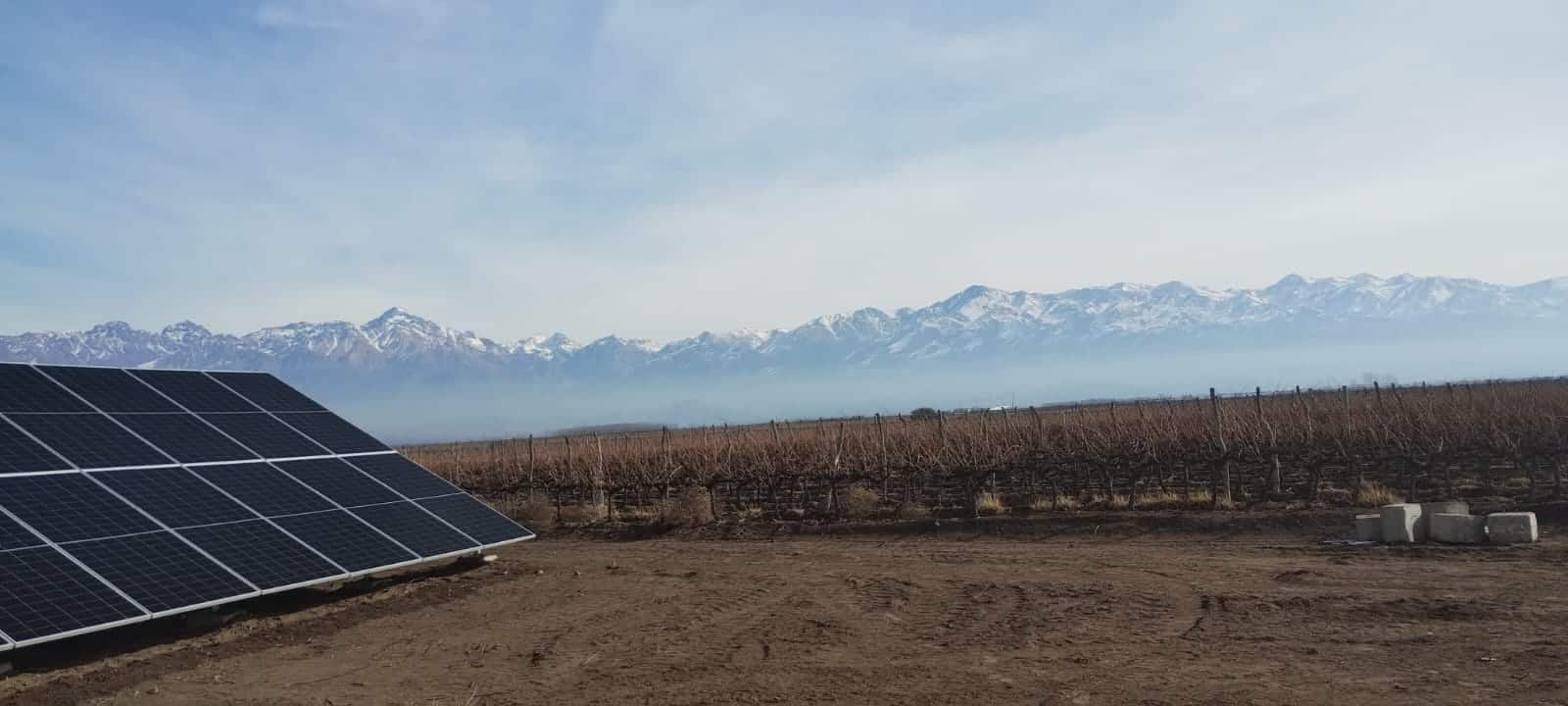
In the heart of Argentina's Mendoza region, an area globally recognized for its viticulture and intensive agriculture; efficient irrigation is critical to sustaining crop productivity. However, many rural agricultural facilities face challenges due to limited or unreliable access to the electrical grid.
In this context, a local agricultural enterprise in Tunuyán implemented a hybrid energy solution to enhance the reliability and cost-efficiency of its water pumping system. The system relies heavily on a submersible pump, essential for continuous irrigation of crops, particularly during the dry season. The goal was to reduce dependency on diesel, improve operational autonomy, and enable future integration with the national grid.
2. Customer issues
The project was carried out on a farm using a submersible pump as the central element of its irrigation system. Initially, the site operated exclusively with a 200 kW genset.
To reduce operating costs and enable future integration into the electricity grid, solar panels were installed, accompanied by two inverters of 100 kW each.
The customer was faced with three major challenges:
- Reduced fuel consumption: The original installation used a 200 kW generator running continuously, resulting in excessive fuel costs and frequent maintenance.
- Provide a connection to the power grid: A future connection was possible, so the solution had to be compatible with grid import/export.
- Operational continuity: The irrigation system had to remain functional regardless of solar conditions or equipment failure.
To address these issues, the customer sought a reliable and intelligent hybrid energy management system, enabling smooth coordination between diesel and solar sources, and scalable with future grid access.
The solution we provided
In order to meet these requirements, our distributor DMA Energía Ltda. has installed hybrid controllers to control the entire hybrid production system. This system includes a 200 kW power plant and a 200 kW backup generator. The architecture implemented enables automated and optimized management of the various energy sources, with the objectives of reducing costs, lowering emissions, and ensuring operational stability.
System overview:
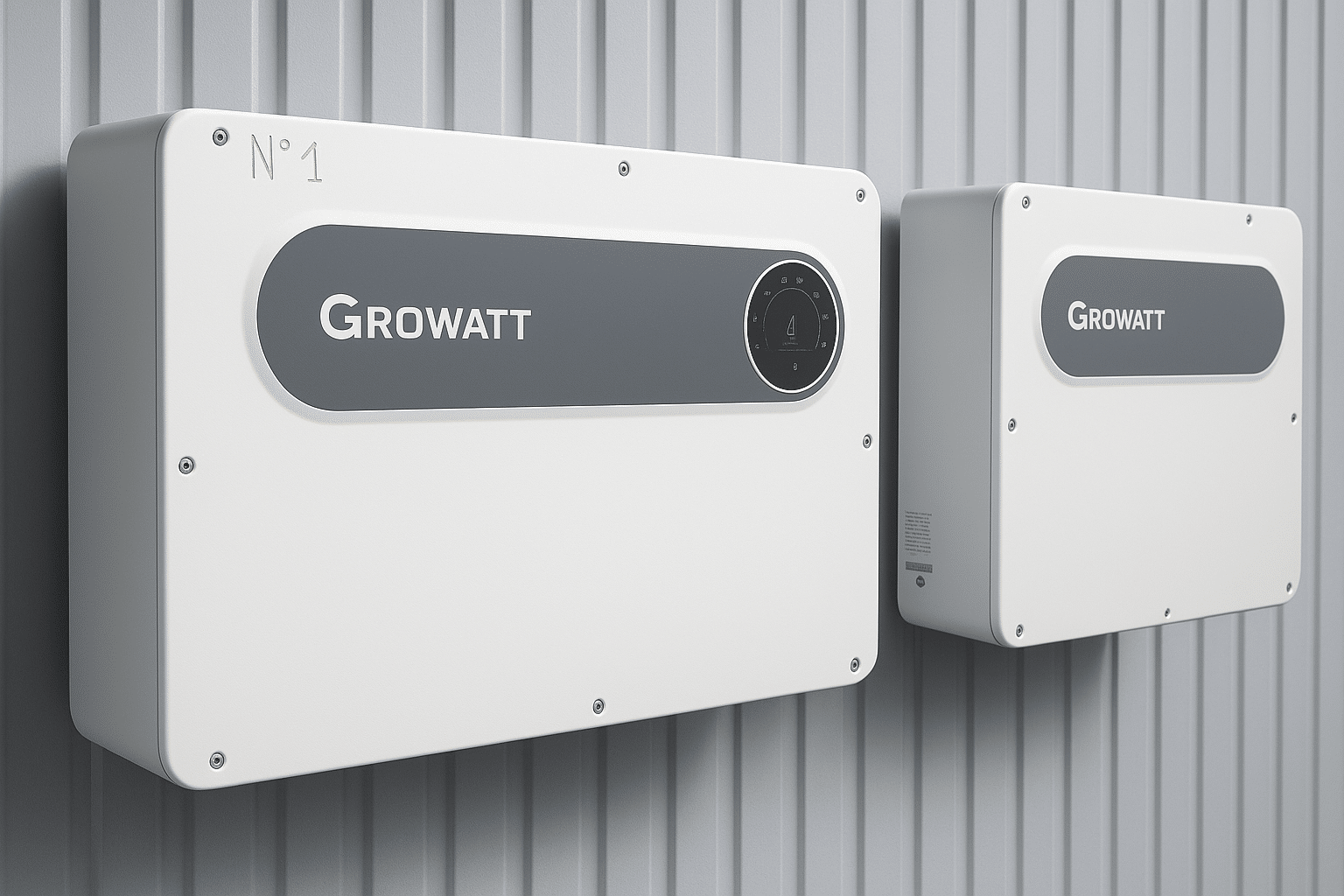
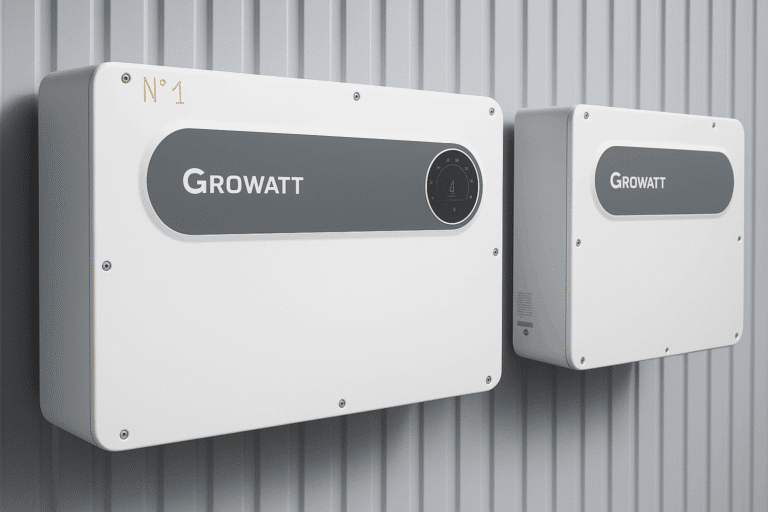
- Inverters: 2 x Growatt MAX 100KTL3-X LV (100 kW each)
- Solar capacity: 200 kW of photovoltaic production
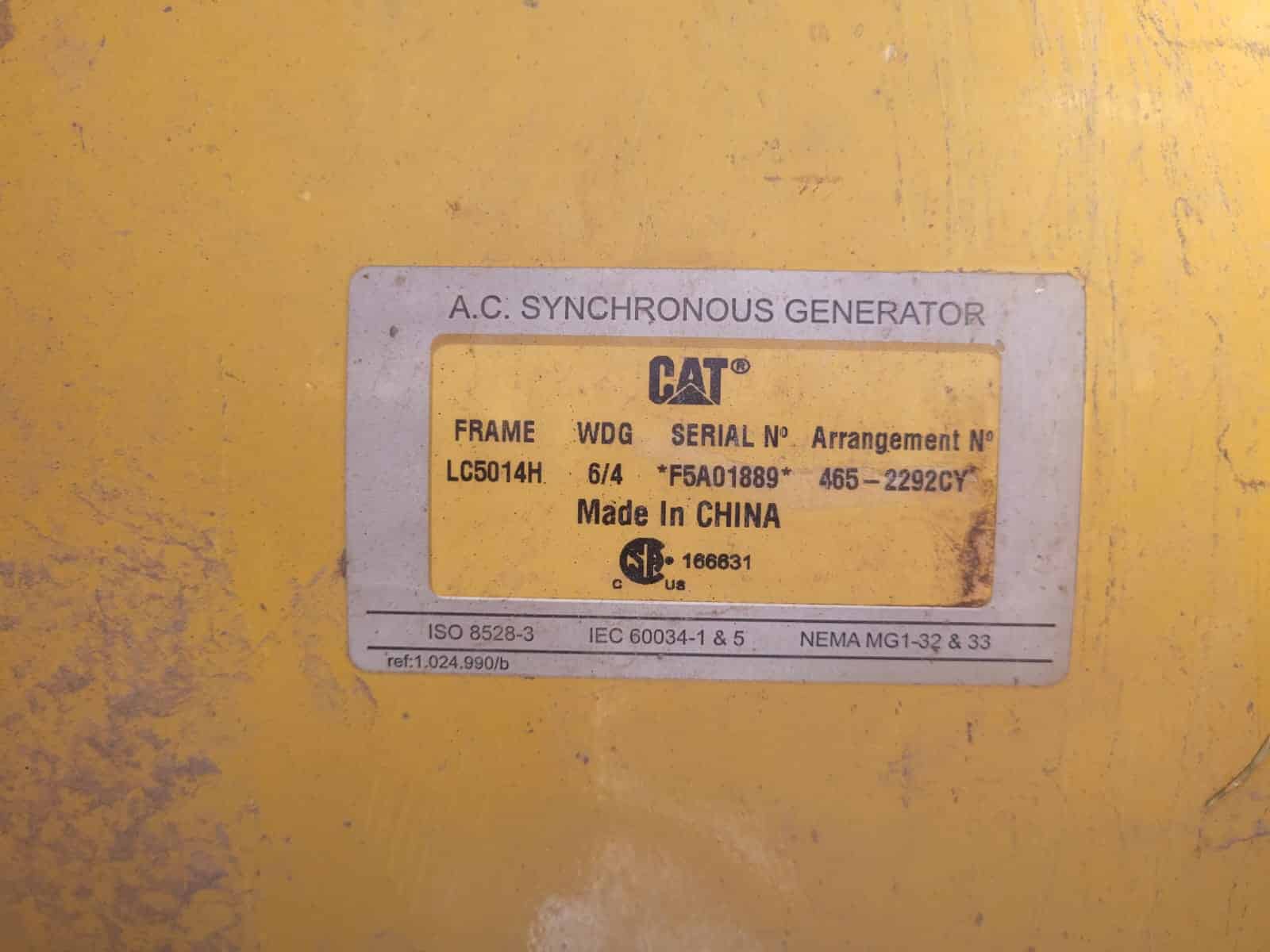
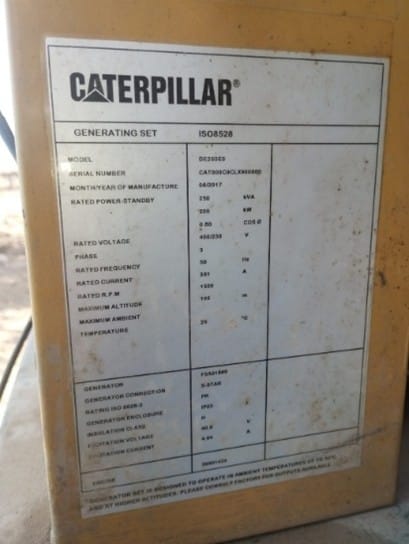
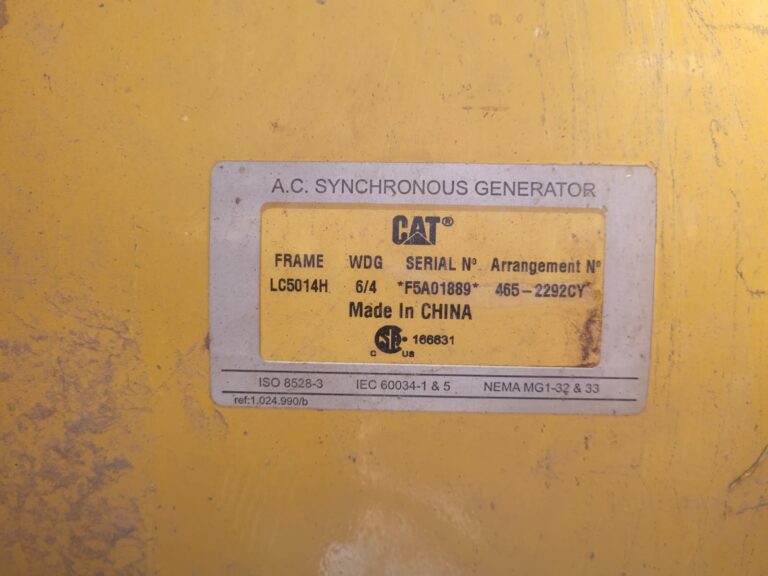
- Diesel backup generator: Caterpillar 200 kW (model DE250E0)
1. Installed products
To ensure optimized management of the hybrid system, two CRE control modules in CORE version have been installed:
GENSYS COMPACT PRIME (CORE version) – for diesel genset management, with the following functions:
- Management of start/stop sequences and synchronization with photovoltaic inverters.
- Full supervision, integrated protection and load sharing.
- Enables backup generation when solar input is low or unavailable.
HYBRID COMPACT (CORE version) – for photovoltaic inverter management, with the following functions:
- Communication with Growatt inverters via Modbus TCP.
- Monitors and controls inverter production.
- Implements limitation to avoid reverse power to the genset.
- Ensures solar contribution is optimized without risking genset stability.
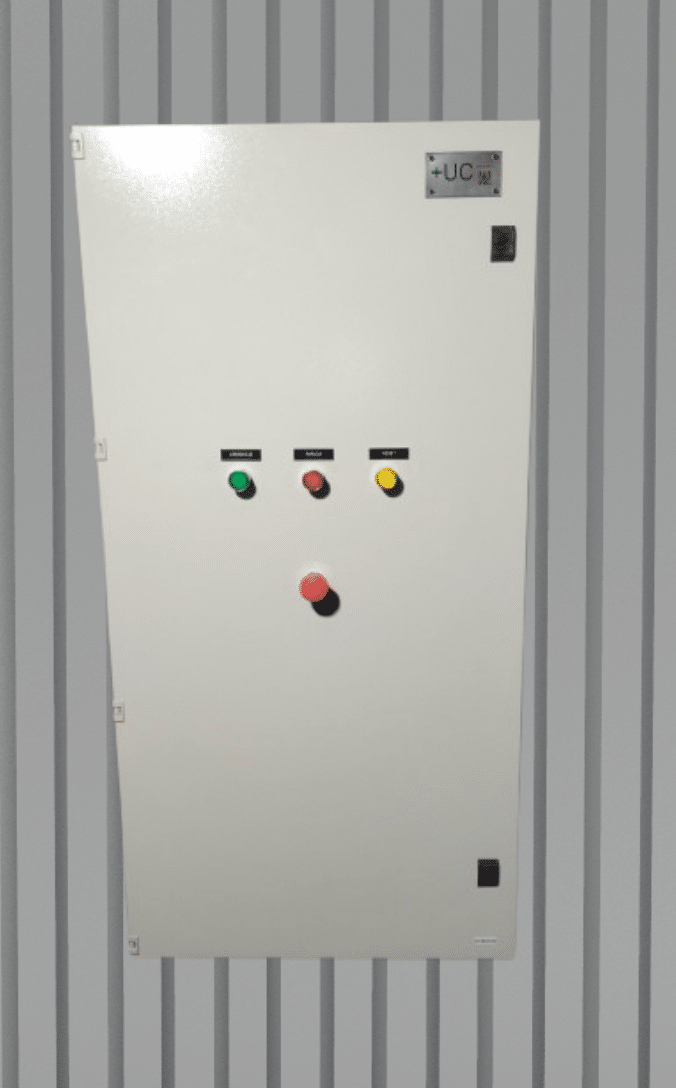
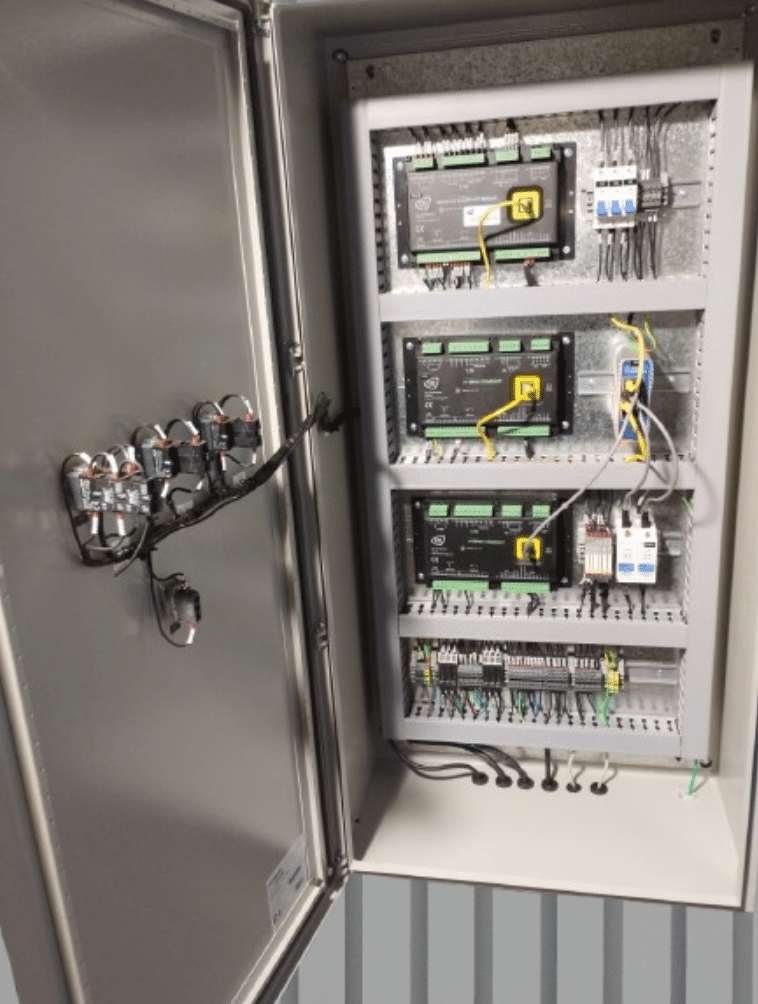
Thanks to the integration of these two modules, energy distribution between solar and diesel sources is dynamic, automated and secure. The system gives priority to renewable energy while guaranteeing the continuity of irrigation operations, even in low solar production conditions.
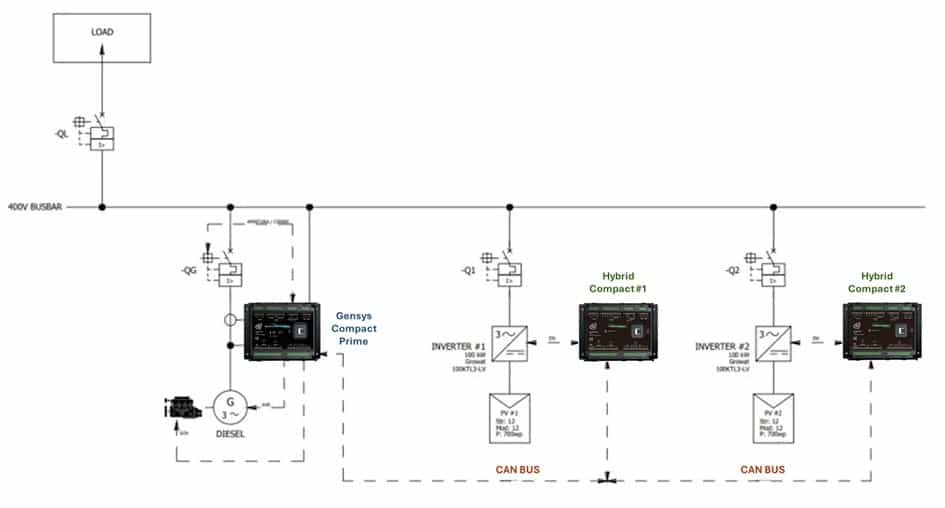
To ensure precise control of the power produced by the genset and photovoltaic inverters, a CANBus communication topology has been implemented, as illustrated in the diagram below:
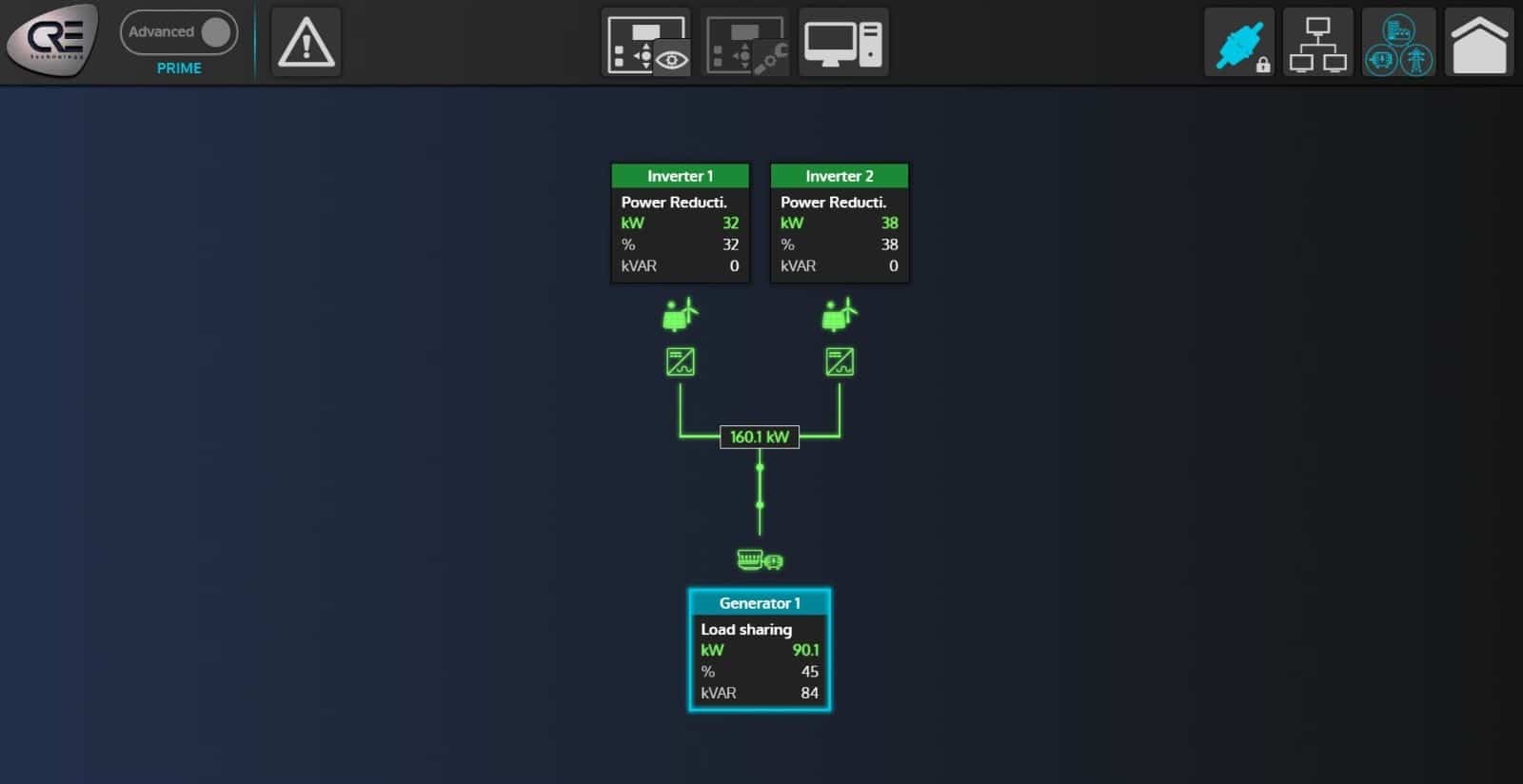
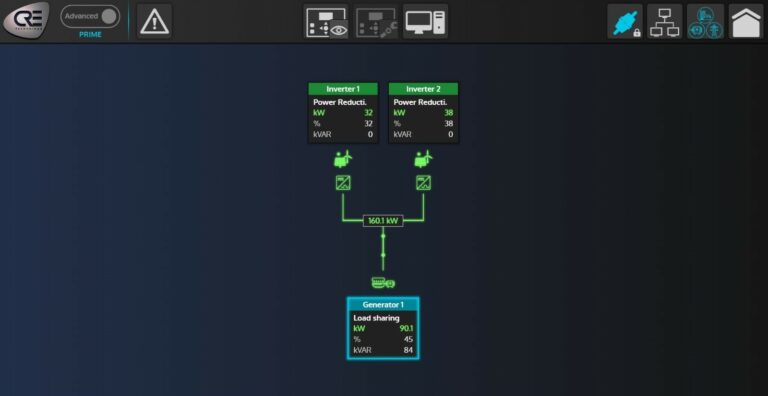
The commissioning and supervision of the power plant were facilitated using the single-line diagram automatically generated by the i4Gen Suite software (connection of the controller a PC).
Benefits and results
1. Energy optimization
- During daylight hours, the PV system covers a significant portion of the pump’s energy demand.
- The hybrid controller automatically reduces the genset's output, or even switches it off altogether when solar power is sufficient.
- This translates into substantial fuel savings, extended genset life and reduced CO₂ emissions.
2. Scalable architecture
- The system is compatible with future grid integration.
- Controllers can manage import/export limits and prioritize the most cost-effective energy source.
3. High reliability
- Built-in protections and fallback modes (e.g., droop mode in case of communication failure) ensure uninterrupted operation.
- The system guarantees that irrigation remains continuous, protecting agricultural yield.
Conclusion
The hybrid power solution implemented in Tunuyán represents a significant step forward for sustainable agriculture in remote areas.
By intelligently combining diesel and solar power through CRE Technology's modular controllers, the facility has:
- Reduced operational costs,
- Increased energy independence,
- Prepared for future grid connection.
This successful deployment showcases how hybrid systems are not just environmentally beneficial, but also economically strategic, especially in high-dependency agricultural operations.
Related products
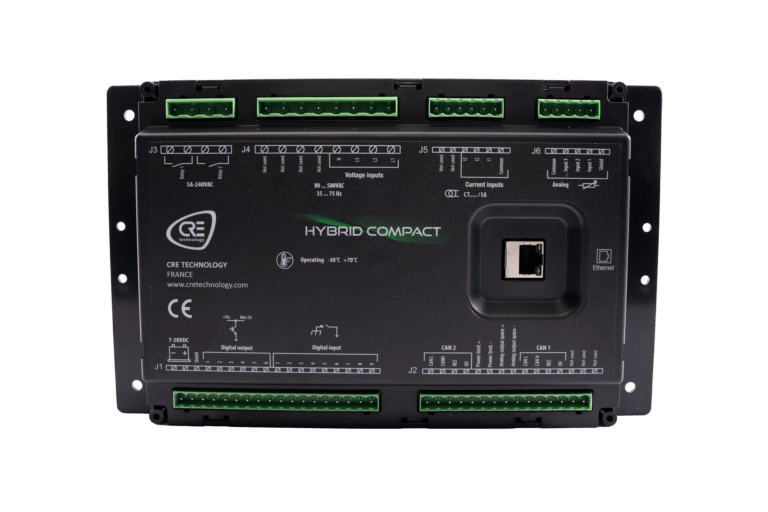
HYBRID COMPACT
The HYBRID COMPACT is designed to efficiently manage photovoltaic or wind inverters, while ensuring optimum integration with other energy sources and management systems.
Add to quote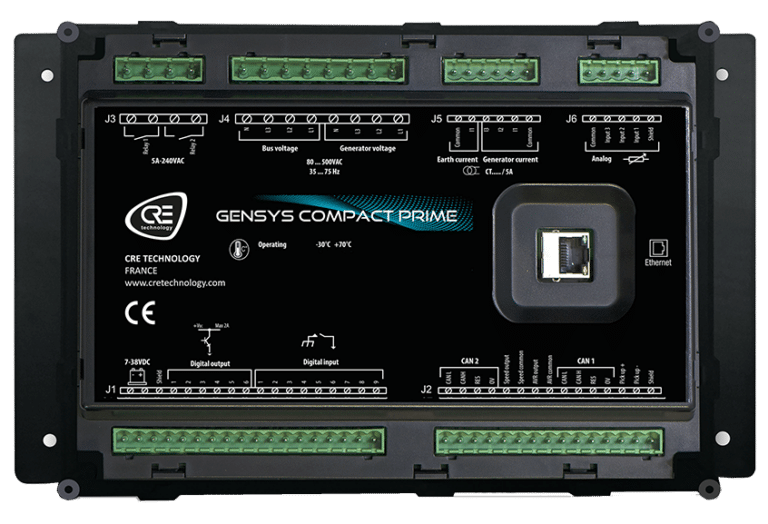
GENSYS COMPACT PRIME
The GENSYS COMPACT PRIME is designed for advanced management of multiple generators in power plants, while offering interoperability with other types of energy sources for more complex systems.
Add to quote